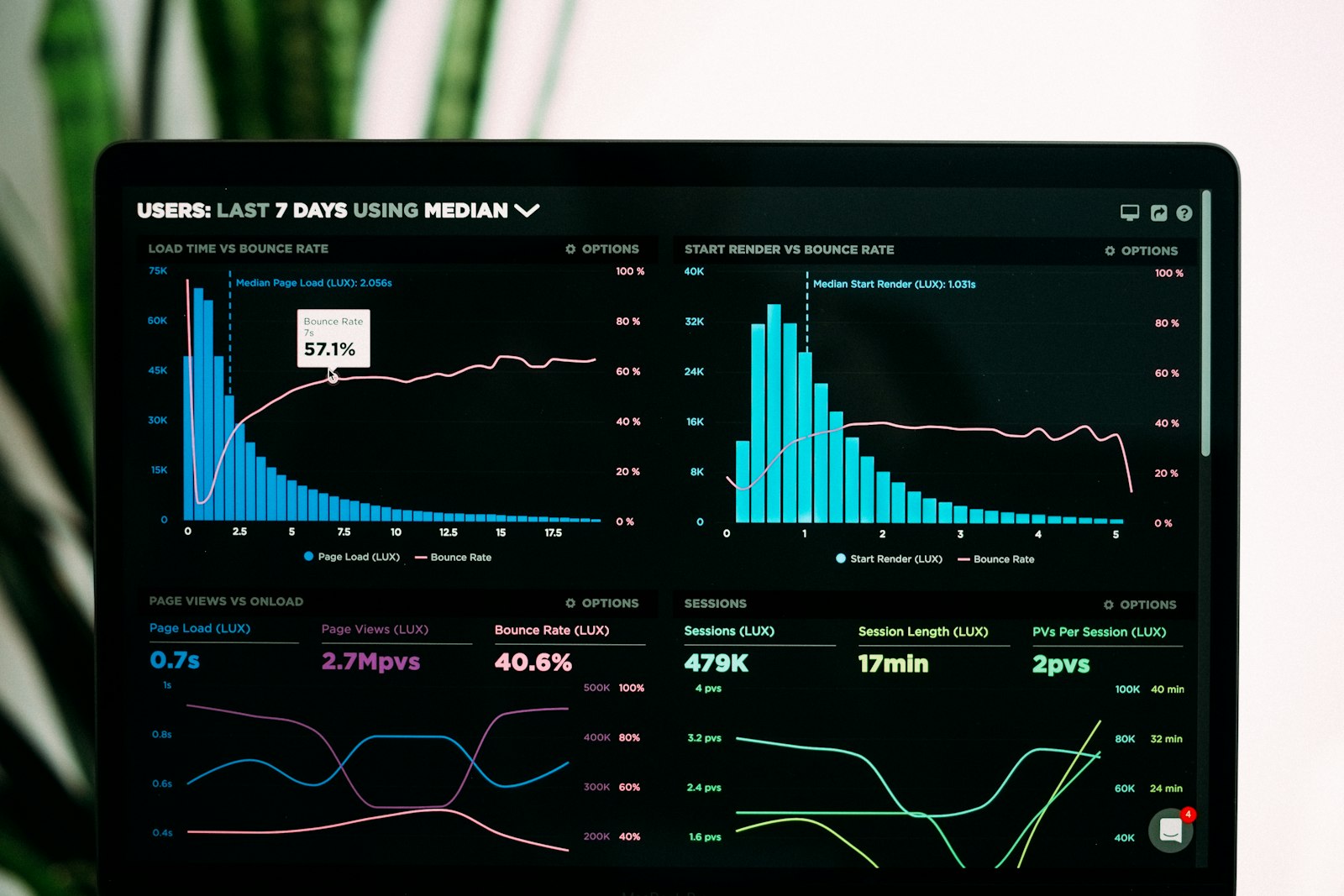
Building an MVP doesn't have to take months or cost a fortune. Our proven 6-week development process has helped hundreds of startups launch their products quickly and efficiently. Learn the exact framework we use to go from idea to market-ready MVP in just 6 weeks.
Why 6 Weeks is the Sweet Spot
After analyzing hundreds of MVP projects, we've found that 6 weeks strikes the perfect balance:
- Fast enough to maintain momentum and minimize scope creep
- Long enough to build something meaningful and testable
- Cost-effective for most startup budgets
- Risk-reduced compared to longer development cycles
Success Metric
Our 6-week process has a 89% success rate of delivering a functional MVP that attracts real users and generates actionable feedback.
The 6-Week MVP Development Timeline
Week 1
Discovery & Planning
Define the problem, validate assumptions, and create a focused roadmap for development.
Week 2
Design & Architecture
Create user flows, wireframes, and technical architecture for the MVP.
Weeks 3-4
Core Development
Build the essential features that solve the core problem.
Week 5
Testing & Refinement
Refine the experience through testing, bug fixing, and usability improvements.
Week 6
Launch Preparation
Prepare deployment, analytics, launch strategy, and go-to-market execution.
Week 1: Discovery & Planning Phase
Day 1-2: Problem Definition
- Validate the core problem through customer interviews
- Analyze competitor solutions and identify gaps
- Define your unique value proposition
- Create detailed user personas
Day 3-4: Feature Prioritization
- List all possible features
- Apply the MoSCoW method
- Create user stories for must-have features
- Estimate development effort for each feature
Day 5-7: Technical Planning
- Choose the technology stack
- Plan the system architecture
- Identify potential technical risks
- Set up project management tools
Week 2: Design & Architecture Phase
User Experience Design
- Create user journey maps
- Design low-fidelity wireframes
- Plan the information architecture
- Define the core user flows
Visual Design
- Create a simple design system
- Design high-fidelity mockups
- Choose typography and colors
- Ensure mobile responsiveness
Weeks 3-4: Core Development Phase
Development Priorities
- Core functionality first
- User authentication
- CRUD operations
- Functional UI implementation
Daily Workflow
- 15-minute standups
- Focused dev blocks
- Daily commits
- End-of-day reviews
Week 5: Testing & Refinement
Functional Testing
- Test every feature thoroughly
- Verify complete user flows
- Check edge cases and errors
- Validate data security
User Experience Testing
- Conduct usability testing
- Test across devices
- Measure task completion rates
- Fix friction points
Week 6: Launch Preparation
Technical Launch Preparation
- Set up production environment
- Configure monitoring
- Set up analytics
- Perform final security checks
Marketing & Launch Strategy
- Create landing pages
- Prepare announcements
- Set up social presence
- Plan user acquisition
Common Pitfalls & How to Avoid Them
- Scope Creep: Adding features during development.
- Perfectionism: Spending too much time polishing details.
- Technical Debt: Taking shortcuts that create future problems.
- Insufficient Testing: Rushing to launch without QA.
Success Metrics
Technical Metrics
- Application loads under 3 seconds
- 99% uptime
- Zero critical bugs
- Responsive across devices
User Metrics
- 100+ users in first month
- 20% return rate
- 2+ minute session duration
- NPS above 7/10
Conclusion
Building an MVP in 6 weeks is not just possible — it's often the optimal approach for startups that need fast validation and real-world feedback.
Your MVP won't be perfect, and that's exactly the point. It should validate assumptions, attract early users, and generate learning quickly.
Ready to Build Your MVP in 6 Weeks?
Let our experienced team guide you through our proven MVP development process.
Start Your 6-Week Journey